
Gas Pipework Installation in Your Location
Safe, professional gas pipework installation by Gas Safe registered engineers. Planned installations with comprehensive testing and certification.
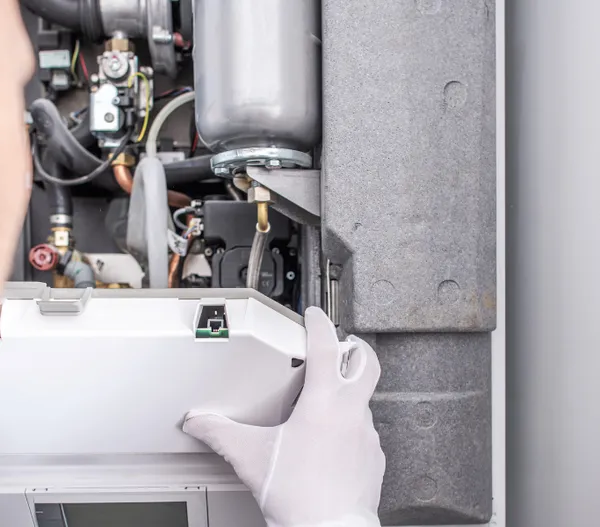
Industry standards & regulations
If you're searching for gas pipework installation in Your Location, Your Business Name provides a safe, planned installation from first checks through to final testing. All gas pipework installation work is carried out by Gas Safe Registered engineers, ensuring compliance with industry standards and regulations. Whether you need a new run installed, an existing route extended, a neater layout, improved access to isolation points, or pipework moved to suit a new layout, we'll help you understand what's possible before any work begins. We assess the route and constraints first, explain the safest option clearly, and only proceed once you're comfortable with the plan—so the finished pipework works properly, looks tidy, and is installed correctly from end to end.
Your Business Name serves a range of clients, including commercial and industrial clients, and is committed to maintaining the highest standards of efficiency and safety.
Book a gas pipework installation visit with Your Business Name in Your Location. All projects are completed by qualified professionals, with full documentation and certification provided to ensure compliance and peace of mind.
What gas pipework installation includes
Gas pipework installation is the professional fitting of new gas pipe runs between the supply point and the required connection point(s). With Your Business Name, the service typically includes:
Common reasons people need new gas pipework in Your Location
Gas pipework installation is usually needed when the current layout doesn't suit how the space is used, or when a new route is required. Typical scenarios include:
Safety Requirement: A documented risk assessment is required for new gas installations to ensure safety and compliance.
How Your Business Name approaches gas pipework installation
Every installation starts with decisions that affect safety and performance. We keep the process simple and transparent:
Assessment first
We review the existing supply point, intended route, and where the new run needs to finish. We also check access constraints and how the pipework can be safely supported and protected. This assessment is carried out by qualified engineers and includes a documented risk assessment to minimize hazards.
Explain the options
We talk you through the route choices (for example: shortest practical run vs. best access vs. neatest finish), what needs to be exposed, and what can stay undisturbed.
Confirm the plan before work begins
No surprises. You'll know what we're doing, where pipework will run, and what the finished result will look like.
Install, test, and check
We fit the new pipework, secure it correctly, and complete the required testing and final checks so you can be confident in the outcome. All work is carried out in compliance with health and safety legislation, with the primary responsibility resting with the employer.
Comprehensive Approach: Compliance and risk management are integral to every gas pipework installation project we undertake.

Professional gas pipework routing and installation
Key decisions that affect the final result
Route planning and access
A good route is safe, protected, and accessible for future checks. When planning gas pipework installation, it is important to consider whether the pipework will be routed above ground or underground. Buried pipework is at greater risk of physical damage and corrosion, so extra care and protective measures are needed. Service pipework should be regularly inspected and maintained to ensure safety and compliance; for buried pipework, inspection may require excavation to properly assess its condition. We aim to avoid awkward pinch points, vulnerable areas, and routes that make isolation difficult.
Pipe sizing and performance
Correct sizing matters for consistent performance. Your Business Name plans the run so it's suitable for the intended demand and distance, helping avoid avoidable issues later.
Steel pipes, particularly black iron pipes, are often used where high pressure is required, especially in industrial and commercial gas pipework installation. They are known for their strength and ability to withstand high pressures, but can be susceptible to corrosion, especially when buried.
For industrial and commercial premises, the IGEM/UP/2 standard applies to installation pipework and sets a maximum operating pressure (MOP) of 60 bar, ensuring safety and compliance in these environments.
Materials and finish
The best material and finish depend on where the pipework will run (visible areas, protected voids, or exposed sections). We choose an approach that suits the environment and keeps the installation robust and tidy.
When it comes to gas pipework installation, the main materials used are steel, stainless steel, copper, and polyethylene. Copper piping is a popular choice for many gas installations because it is durable, flexible, and resistant to corrosion. Steel and copper are both suitable for above-ground pipework, while polyethylene is preferred for buried installations due to its non-corroding properties, which help prevent leaks from corrosion. For certain applications, corrugated stainless steel tubing (CSST) offers flexibility and can be easily bent around obstacles, reducing the need for additional fittings and joints. While PVC and plastic pipes are lightweight and resistant to corrosion, they are generally not recommended for indoor gas installations due to their lower strength. Selecting the right material for each application ensures safety, compliance, and long-lasting performance.
Isolation and usability
Safe isolation should be practical and reachable. We consider where isolation needs to be and how it will be accessed without hassle.
Capping is a method used to safely secure and stop the flow of gas from unused pipes, and it should always be performed by a Gas Safe Registered professional. The typical cost for capping a gas pipe is around £500, depending on access and complexity.
What to expect on the day
To make the visit smooth, Your Business Name will typically:
All gas pipework installation is carried out by our professional team, maintaining the highest safety standards throughout the process. Full documentation and certification are provided upon completion to ensure compliance and peace of mind.
Minimal disruption, clean routing, and a tidy finish
Gas pipework often needs careful routing through tight spaces, voids, corners, or along existing lines. Our priority is a clean, safe run with sensible access—without unnecessary disturbance. The installation process is designed to minimize the risk of physical damage and corrosion, especially for buried pipes. If any access points are required to complete the installation, we'll explain that clearly before proceeding. Should any walls, floors, or carpets be disturbed during the process, we will carry out repair work to restore the area to its original condition.
Quality and safety checks after installation
Before the job is considered complete, Your Business Name completes the appropriate testing and verification steps for the new run. Gas pipework must be regularly inspected by a competent person to prevent leaks and ensure safe operation, with the inspection schedule established by that person. Leaks can occur if pipework is damaged or corroded, especially for buried metallic pipes. To prevent leaks, buried metallic pipework should be replaced with non-corroding materials.
The goal is straightforward: the pipework is installed correctly, tested properly, and left in a safe, usable condition.
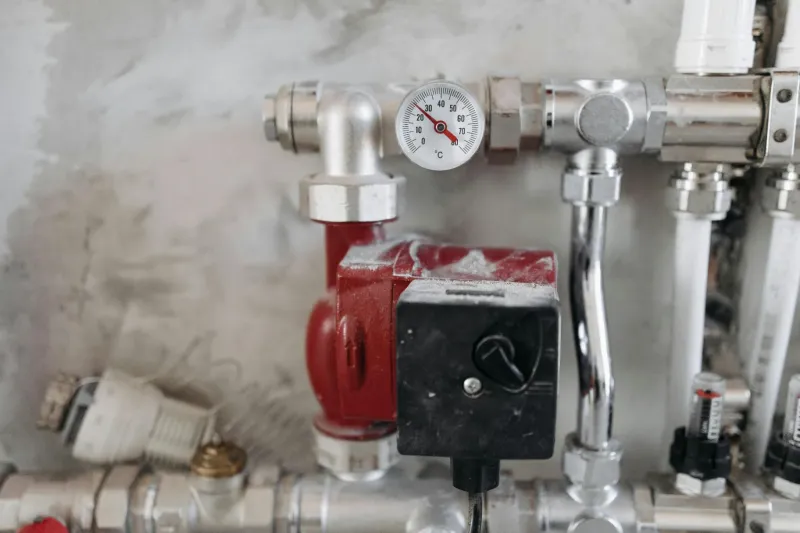
Comprehensive pressure testing and safety checks
What affects the cost of gas pipework installation
Exact costs depend on the specifics of the run. Labour costs are a significant part of the overall expense, with gas installation hourly rates typically ranging from £30 to £40 depending on the job and location. The main factors affecting installation costs include:
Cost Overview: The average cost for gas pipework installation, excluding any digging or trenches, is around £1,000. The cost to install a gas central heating system can be around £4,600, excluding labour costs. Modern solutions like Flexigas CSST systems require fewer fittings and joints, which can reduce installation times and lower labour costs. New installations may also have additional requirements and costs, depending on regulatory compliance and safety standards.
Gas pipework installation FAQs
Can you install gas pipework in tight or awkward spaces?
Yes—where it's safe and practical. Your Business Name will assess access and routing constraints first, then propose the best approach for a safe, stable run. Flexible solutions like CSST (Corrugated Stainless Steel Tubing) and Flexigas can be used in tight or awkward spaces, as they can be easily bent around obstacles, reducing the need for additional fittings and joints and improving installation efficiency.
Will I need to clear the area?
It helps to clear cupboards, under-stair spaces, or other access points along the intended route. If anything specific is needed, we'll tell you before the visit.
How do you decide the route?
We prioritise safety, protection, and access. As part of the route planning process, a documented risk assessment is conducted to ensure safety and compliance with regulations. Then we balance neatness and practicality based on the property layout and what you want the finished result to look like.
Do you test the new pipework after installation?
Yes. Testing and final checks are an essential part of completing the installation properly. Commissioning, which includes thorough testing and purging of the gas system, is carried out to ensure the new pipework is safe, compliant, and ready for use.
Can you make the pipework look neat?
Neat routing is part of good workmanship. We aim for straight runs, sensible clipping/support, and a practical finish suited to the location.
Book gas pipework installation in Your Location
If you need gas pipework installation in Your Location, contact Your Business Name to arrange an assessment and a clear plan for the safest, most suitable route.
Professional Pipework Installation
Gas Safe registered installation with full certification
Call Now: YOUR-PHONE-NUMBER Book AssessmentFull Certification
Documentation provided
Service Details
Service Type
Gas Pipework Installation
Project Scope
Domestic & Commercial
Engineer Qualification
Gas Safe Registered
Certification
Full Documentation Provided
Cost Overview
Detailed Quotes: All costs quoted upfront. Prices vary based on specific requirements.
Commercial & Industrial
We serve commercial premises and industrial clients with specialized gas pipework installation meeting all regulatory standards and business requirements.
Professional Gas Pipework Installation
Ensure safe, compliant gas pipework installation with our Gas Safe registered engineers. Full testing and certification provided.
Gas Safe Registered
Full Certification
Commercial & Industrial
Pressure Testing