
Hot Water Cylinder Installation in Your Location
Professional installation of unvented and vented hot water cylinders. Correct sizing for your household demand.
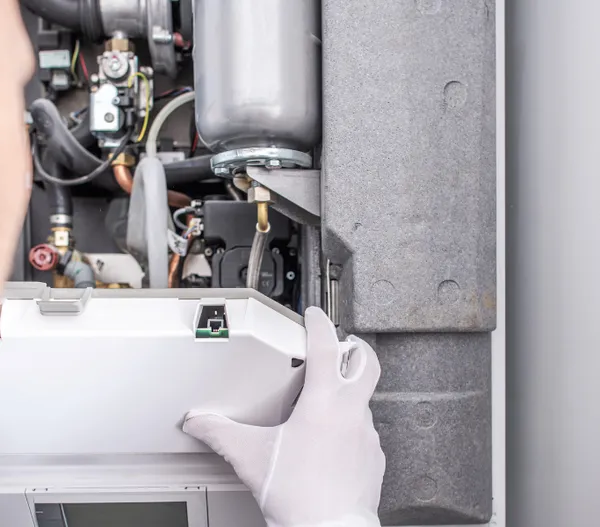
All installations meet UK safety standards
If you're looking for hot water cylinder installation in Your Location, you probably want one simple outcome: steady hot water that matches your daily demand without leaks, pressure problems, or constant reheating.
Unvented hot water cylinders are a popular choice in UK homes due to their benefits such as improved water pressure and space-saving design. Your Business Name installs hot water cylinders by assessing your current setup first, explaining the best-fit option, and only starting work once the plan is clear.
When we're done, your cylinder is correctly sized, safely connected, and commissioned so it performs reliably day after day.
Arrange your hot water cylinder installation with Your Business Name in Your Location. All installations are carried out in compliance with relevant building regulations for safety and peace of mind.
What "Hot Water Cylinder Installation" Really Covers
A proper cylinder installation is a complete end-to-end job, not just swapping a tank. It typically includes:
Planning & Preparation
- Confirming cylinder type and capacity for your household demand
- Checking the existing connections, valves, discharge routes, and mounting/base
- Isolating, draining, and removing the old cylinder (where applicable)
Installation & Commissioning
- Preparing and adapting pipework, including any necessary plumbing modifications
- Installing the cylinder, controls, and safety components in the correct configuration
- Filling, venting, pressure checking, and commissioning the system
Verification & Handover
- Verifying performance: temperature control, recovery, stability
- Handover: what's been installed, how it operates
System Integration
Integrating them into the overall hot water system, ensuring the cylinder is supplied with water from the appropriate source.
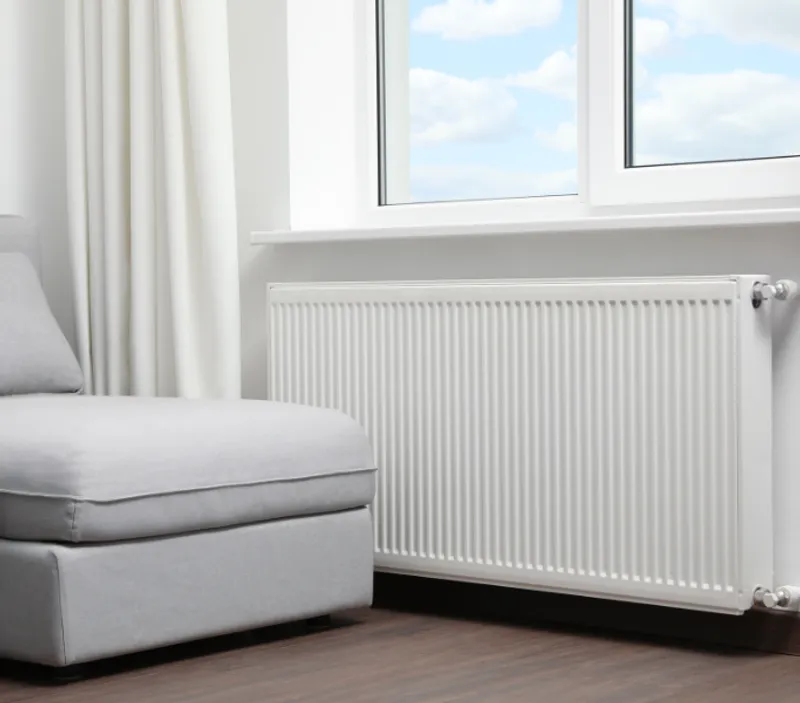
Professional hot water cylinder installation work
Choosing the Right Cylinder Type for Your Property
There are two types of hot water cylinders: vented and unvented. The main difference between a vented and unvented cylinder is how they receive and deliver water.
Unvented Cylinders
Connects directly to the mains water supply, eliminating the need for a header tank or cold water tank, and providing higher pressure and a more reliable flow.
- Direct mains connection
- Higher water pressure
- Space-saving design
- Modern home preferred choice
Vented Cylinders
Rely on gravity, using a header tank or cold water tank—usually located in the loft—to feed water into the cylinder, which can limit water pressure.
- Gravity-fed system
- Cold water tank in loft
- Traditional setup
- Often found in older homes
Property Consideration: Properties with multiple bathrooms or a large central heating system may benefit from a system boiler paired with an unvented cylinder, while smaller homes may find a combi boiler more suitable due to its compact, all-in-one function. Installation begins with matching the cylinder choice to the property's constraints.
Key Factors That Decide What's Compatible
Water Pressure and Flow Characteristics
Including the quality of the mains supply and water supply, as well as the sizing and routing of pipes to ensure optimal pressure and flow for the hot water cylinder.
Existing Hot Water and Heating Configuration
And how the cylinder integrates with it, including whether the system connects to the mains cold water supply or relies on traditional cold water sources.
Space and Access
Cupboard size, airing cupboard restrictions, loft access constraints, door clearances.
Discharge Route Feasibility
Safe routing for relief discharge where required.
Household Demand Patterns
Peak times, simultaneous showers, filling baths, busy mornings.
Sizing the Cylinder Properly (What "Correct Size" Means)
The right size isn't "bigger is better." Correct sizing means:
Professional Assessment: Your Business Name bases sizing on your real usage and property layout—not a generic rule of thumb.
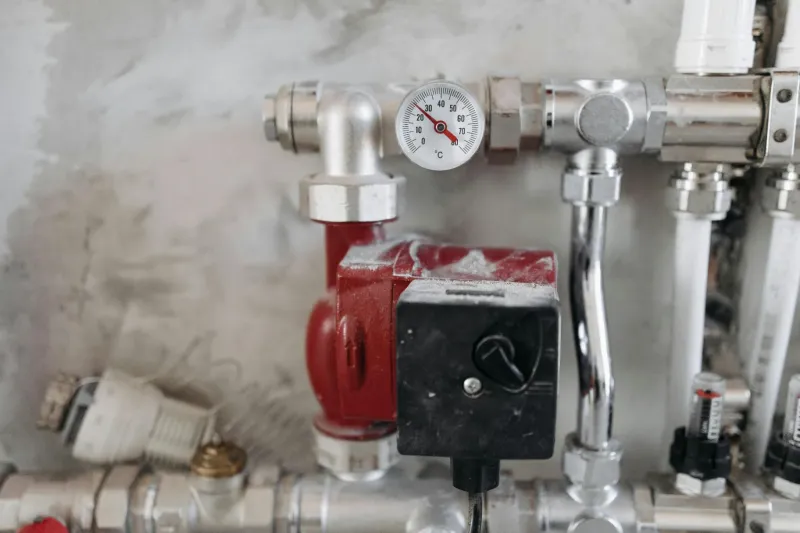
Handling complex installation scenarios with precision
When Installation Becomes More Complex
Some installations are straightforward replacements. Others require deeper planning because something about the property or previous setup introduces risk.
Cost Consideration: The choice of cylinder model and installation costs can vary depending on the complexity of the property and the previous system in place.
Typical Complications We Plan For
Our Approach: The aim is not just to "make it fit," but to install it in a way that's serviceable, stable, and built for long-term use.
Installation Process Step-by-Step
Site Assessment and Setup Confirmation
We check the existing cylinder position, current connections, and practical installation route. This is where we confirm what will and won't work before any changes are made.
Isolation and Safe Drain-Down
The system is isolated and drained properly to avoid mess, pressure issues, and airlocks later.
Removal of Existing Cylinder (If Replacing)
Old cylinder removal is handled carefully to avoid damage to surrounding pipework and fittings—especially in tight cupboards.
Base, Positioning, and Alignment
The new cylinder must sit correctly and be supported properly. Misalignment is one of the most common causes of future stress leaks and awkward maintenance access.
Pipework Connection and Configuration
Connections are made cleanly and logically, with attention to:
- Minimising unnecessary bends and strain points
- Keeping access for future servicing
- Ensuring correct routing for safe operation and reliable performance
Safety Component Installation and Discharge Routing Check
A cylinder installation must include correct safety control configuration. Part of commissioning is confirming the discharge arrangement operates safely and predictably.
Fill, Vent, and Pressure Checks
We refill carefully, vent air where needed, and carry out pressure checks to confirm stability before the system is run normally.
Commissioning and Performance Verification
The system is brought up to normal operating conditions and checked for:
Handover and Practical Guidance
You'll get a clear walkthrough of what's been installed, what normal operation looks like, and what signals to monitor (without technical overload).
Real-World Outcomes You Should Expect After Installation
A correctly installed cylinder should deliver:
Installation Quality Checks That Prevent Future Failures
Quality isn't just "no leak on day one." The checks that matter are the ones that reduce repeat callouts.
Our Focus: During installation, Your Business Name focuses on:
What Drives Installation Cost (Without Quoting Prices)
Hot water cylinder installation cost is driven by the work involved, not just the cylinder itself. Installation will typically cost within a wide range, depending on the cylinder model, features, and the method used to heat water.
Heating Method Impact: The way you heat water—whether by gas boiler, electricity, solar panels, or heat pump—can significantly affect the overall cost.
The Biggest Drivers Are:
Transparency Promise: You should always expect clear explanation of what increases or reduces the work—before the job begins.
FAQs: Hot Water Cylinder Installation Your Location
How do I know my cylinder needs replacing rather than continuing with repairs?
If you're dealing with recurring leaks, repeated performance drops, or a cylinder that can't keep up with demand anymore, replacement often becomes the more reliable long-term fix.
How long does a typical installation take?
Many installations are completed within a single visit, but access constraints or complex legacy setups can extend the job.
Will I need changes to my existing setup?
Sometimes yes—especially if the old cylinder installation was improvised or outdated. Any required adjustments are identified before installation starts.
Will hot water performance feel different straight away?
Yes. Once commissioned, you should notice more consistent delivery and more predictable recovery—assuming the cylinder is correctly matched to your demand.
Do you remove and dispose of the old cylinder?
Yes, removal and disposal can be included as part of the installation.
Book Your Installation
Professional installation with correct sizing and full commissioning
Call YOUR-PHONE-NUMBER Book OnlineBuilding Regulations
Full compliance guaranteed
Service Details
Service Type
Hot Water Cylinder Installation
Cylinder Types
Unvented & Vented
Certification
G3 for Unvented
Included
Full Commissioning
What Affects Installation Cost
Related Services
Heating Methods
Get Steady Hot Water That Matches Your Demand
Professional installation with correct sizing, full commissioning, and compliance with all building regulations.
G3 Certified
Correct Sizing
Full Commissioning
Old Unit Removal